Overthinking and Anxiety: How to Break the Cycle
Overthinking and Anxiety: How to Break the Cycle
Have you ever found yourself replaying the same situation in your mind over and over again? Maybe you analyzed a conversation, worried about a future event, or imagined countless worst-case scenarios. This mental habit can quickly become exhausting and may significantly impact your emotional well-being. The connection between Overthinking and Anxiety is stronger than many people realize, creating a cycle that can feel difficult to escape.
Many people experience occasional worry, but when thoughts become repetitive and uncontrollable, they often fuel feelings of stress, fear, and uncertainty. Understanding why this cycle happens and learning practical ways to manage it can help you regain a sense of calm and control in your daily life.
Understanding Overthinking
Overthinking occurs when a person spends excessive time analyzing situations, decisions, or problems. Instead of finding solutions, the mind becomes trapped in endless loops of thoughts. This pattern often involves dwelling on past mistakes, worrying about future outcomes, or constantly questioning personal choices.
While reflection can be healthy, excessive rumination tends to increase emotional distress rather than resolve it. People who overthink often struggle to focus on the present moment because their minds are occupied with possibilities, uncertainties, and imagined outcomes.
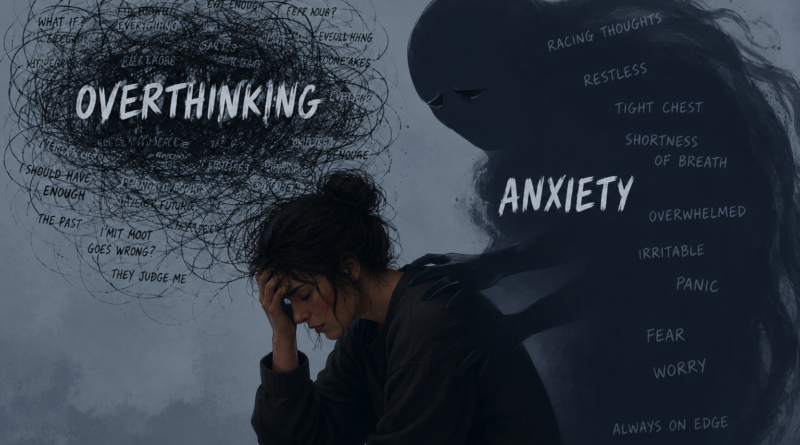
The relationship between Overthinking and Anxiety is particularly important because each condition tends to reinforce the other. The more someone overthinks, the more anxious they may become, and increased anxiety often leads to even more overthinking.
How Anxiety Fuels Overthinking
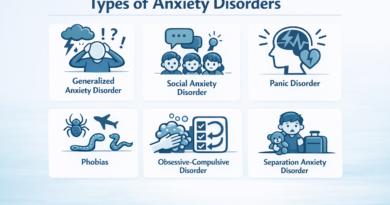
Anxiety is the body’s natural response to perceived threats or uncertainty. When anxiety levels rise, the brain becomes highly alert and constantly searches for potential dangers. This heightened awareness can cause individuals to analyze situations excessively in an attempt to prevent negative outcomes.
Unfortunately, this process rarely provides relief. Instead, it often creates additional worries and concerns. People may find themselves questioning every decision, imagining multiple scenarios, and struggling to trust their judgment.
This is where overthinking and anxiety become deeply connected. Anxiety triggers excessive thinking, and excessive thinking increases anxious feelings, creating a self-perpetuating cycle that can be difficult to break without intentional effort.
Can Ambien Help with Sleep Problems?
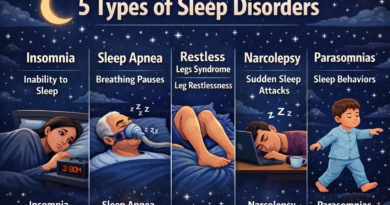
Ambien is a prescription medication commonly used to treat insomnia and other short-term sleep difficulties. Its generic name is zolpidem, and it belongs to a class of medications known as sedative-hypnotics.
Ambien works by affecting certain chemicals in the brain that help promote relaxation and sleep, making it easier for individuals to fall asleep and stay asleep.
However, Ambien is generally intended for short-term use and is not a long-term solution for chronic sleep problems.
Prolonged use may increase the risk of dependence, tolerance, and side effects such as daytime drowsiness, dizziness, or unusual sleep-related behaviors. Because of these risks, it should only be taken under the supervision of a healthcare professional.
While Ambien can help improve sleep in the short term, addressing the underlying causes of sleep difficulties is equally important.
Healthy sleep habits, stress management, regular exercise, and cognitive behavioral therapy for insomnia (CBT-I) are often recommended as part of a comprehensive approach to achieving better sleep and overall well-being.
Common Signs of the Cycle
Recognizing the signs is the first step toward change. Many individuals experience symptoms without realizing they are caught in a pattern.
Common signs include:
- Constantly replaying conversations
- Worrying excessively about future events
- Difficulty making decisions
- Fear of making mistakes
- Trouble concentrating
- Sleep disturbances
- Mental exhaustion
- Increased stress levels
When these symptoms occur regularly, overthinking and anxiety may be affecting both mental and physical health.
Why People Overthink
There are many reasons why people develop this habit. Understanding the root causes can make it easier to address the problem effectively.
Fear of Failure
Many individuals worry about making mistakes or experiencing disappointment. This fear often causes them to analyze every possible outcome before taking action.
Need for Control
Life is unpredictable, and uncertainty can feel uncomfortable. Some people overthink because they believe careful analysis can help them control future events.
Perfectionism
Perfectionists often set extremely high standards for themselves. They may spend excessive time reviewing decisions, searching for flaws, or worrying about outcomes.
Past Experiences
Negative experiences can influence future thinking patterns. Someone who has faced criticism, failure, or emotional pain may become more cautious and analytical.
These factors contribute to the development of Overthinking and Anxiety, making it essential to address both the thought patterns and the emotional triggers behind them.
The Impact on Mental Health
Persistent overthinking can have significant consequences for emotional well-being. When the brain remains in a constant state of worry, it becomes difficult to relax and enjoy everyday experiences.
Some potential effects include:
- Increased stress
- Reduced self-confidence
- Difficulty focusing
- Emotional exhaustion
- Lower productivity
- Sleep problems
- Relationship challenges
Over time, Overthinking and Anxiety can interfere with work performance, personal relationships, and overall quality of life.
Practical Ways to Break the Cycle
The good news is that it is possible to interrupt unhealthy thinking patterns. Small, consistent changes can make a meaningful difference.
Practice mindfulness.
Mindfulness involves paying attention to the present moment without judgment. Instead of focusing on future worries or past mistakes, mindfulness encourages awareness of what is happening right now.
Simple practices include:
- Deep breathing exercises
- Guided meditation
- Mindful walking
- Observing thoughts without reacting
Mindfulness helps reduce the intensity of Overthinking and Anxiety by bringing attention back to the present.
Set Time Limits for Decision-Making
Many people become stuck because they spend too much time evaluating options. Setting a specific time limit can help prevent endless analysis.
For example:
- Give yourself 10 minutes for minor decisions.
- Set a deadline for larger choices.
- Accept that no decision is ever completely risk-free.
This approach reduces mental fatigue and encourages action.
Challenge Negative Thoughts
Not every thought is accurate. Learning to question anxious assumptions can reduce their power.
Ask yourself:
- Is there evidence supporting this fear?
- Am I assuming the worst-case scenario?
- What is the most realistic outcome?
This habit helps weaken the connection between overthinking and Anxiety and promotes more balanced thinking.
Focus on What You Can Control
Many worries involve situations outside personal control. Instead of focusing on uncertain outcomes, concentrate on actions you can take today.
Examples include:
- Preparing for an upcoming event
- Completing important tasks
- Maintaining healthy habits
- Communicating openly with others
Focusing on controllable factors often reduces feelings of helplessness.
The Role of Healthy Lifestyle Habits
Mental health is closely connected to physical health. Lifestyle choices can significantly influence thought patterns and emotional well-being.
Regular Exercise
Physical activity releases chemicals that support mood regulation and stress reduction. Even a short daily walk can improve mental clarity.
Quality Sleep
Poor sleep can intensify anxious thinking. Establishing a consistent sleep routine helps the brain process emotions more effectively.
Balanced Nutrition
Nutritious foods support brain function and energy levels. Limiting excessive caffeine and sugar may also help reduce nervousness.
Social Connection
Talking with trusted friends or family members can provide perspective and emotional support. Sharing concerns often makes them feel more manageable.
These healthy habits can reduce the severity of Overthinking and Anxiety and improve overall resilience.
Building Self-Compassion
Many people who overthink are highly self-critical. They judge themselves harshly for mistakes and expect perfection in every situation.
Self-compassion involves treating yourself with the same kindness you would offer a friend. Instead of focusing on perceived failures, acknowledge that mistakes are a normal part of growth and learning.
When people practice self-compassion, they often experience lower stress levels and greater emotional balance. This can be particularly helpful when addressing Overthinking and Anxiety.
When Professional Support May Help
While self-help strategies can be effective, some individuals may benefit from professional guidance. If anxious thoughts become overwhelming or interfere with daily life, seeking support from a mental health professional can be valuable.
Therapists can help individuals:
- Identify unhealthy thought patterns
- Develop coping skills
- Learn stress-management techniques
- Build emotional resilience
- Address underlying causes of anxiety
Professional support can provide practical tools for managing Overthinking and Anxiety in a healthy and sustainable way.
Creating a Daily Action Plan
Breaking the cycle does not happen overnight. Consistency is often more important than perfection.
Consider creating a daily routine that includes:
- Five minutes of mindfulness practice
- Regular physical activity
- Healthy sleep habits
- Journaling thoughts and feelings
- Limiting unnecessary worry time
- Practicing gratitude
Over time, these small actions can help reduce the influence of Overthinking and Anxiety and create healthier mental habits.
Final Thoughts
The cycle of excessive thinking and constant worry can feel overwhelming, but it is possible to regain control. By understanding how Overthinking and Anxiety interact, individuals can begin recognizing patterns that contribute to emotional distress.
Developing mindfulness, challenging negative thoughts, focusing on controllable actions, and maintaining healthy habits are powerful steps toward change. While progress may take time, each small effort contributes to greater peace of mind and emotional well-being.
Remember that overcoming Overthinking and Anxiety is a journey rather than a destination. With patience, self-awareness, and consistent practice, it is possible to break the cycle and build a healthier relationship with your thoughts.