Is Anxiety a Mood Disorder? Natural Remedies
Is Anxiety a Mood Disorder? Natural Remedies
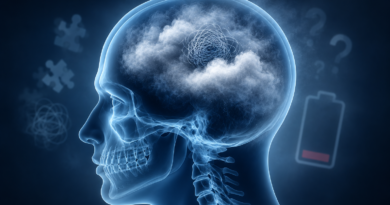
Mental health conversations have become more common today, and one of the most searched questions is is anxiety a mood disorder. Many people feel confused because anxiety and depression often seem similar, and both affect emotions, thoughts, and daily life. However, understanding the difference between anxiety and mood disorders is important for proper treatment and awareness.
To answer the question is anxiety a mood disorder, we must first understand what anxiety is, how an anxiety disorder develops, the major types of anxiety disorders, and how they differ from mood disorders. While anxiety and mood disorders are connected, they are not exactly the same.
What Is Anxiety?
To understand whether is anxiety a mood disorder, we first need to know what is anxiety.
Anxiety is the body’s natural response to fear, danger, stress, or uncertainty. It creates feelings of nervousness, worry, tension, or fear about future events. For example, students may feel anxious before an exam, employees may feel anxious before a job interview, and parents may feel anxious about their children’s safety.
In these situations, anxiety is normal and even helpful. It helps people stay alert and prepared. However, when anxiety becomes constant, intense, and difficult to control, it may turn into an anxiety disorder.
When someone asks what anxiety is, the answer is simple: anxiety can be a normal emotional reaction or a serious mental health condition, depending on how strong it is and how long it lasts.
Is Anxiety a Mood Disorder?
Now let us answer the main question: is anxiety a mood disorder?
The medical answer is no. Doctors do not officially classify anxiety as a mood disorder. Mental health professionals separate anxiety disorders and mood disorders into different diagnostic categories.
Mood disorders mainly affect a person’s emotional state over long periods. These include depression, bipolar disorder, and persistent depressive disorder. Anxiety disorders mainly involve excessive fear, nervousness, panic, and constant worry.
Although the answer to is anxiety a mood disorder is technically no, the two conditions are strongly connected. Many people with anxiety also struggle with depression, and many people with depression experience severe anxiety symptoms.
This is why many people continue asking is anxiety a mood disorder, because the symptoms often overlap.
Understanding Mood Disorders
To better understand is anxiety a mood disorder, we must look closely at mood disorders.
Mood disorders are mental health conditions that mainly affect emotional wellbeing and emotional stability. These disorders can cause extreme sadness, emotional emptiness, severe mood swings, or periods of uncommonly high energy.
Some common mood disorders include:
- Major depressive disorder
- Bipolar disorder
- Persistent depressive disorder
- Seasonal affective disorder
- Premenstrual dysphoric disorder
People with mood disorders may feel hopeless, lose interest in daily activities, struggle with energy levels, or experience emotional highs and lows that affect relationships and work.
Unlike an anxiety disorder, which focuses more on fear and excessive worry, mood disorders are centered around emotional balance and mood regulation.
What Is an Anxiety Disorder?
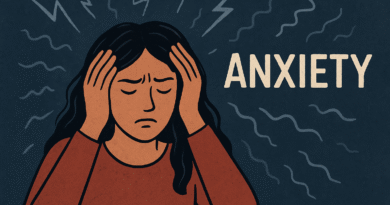
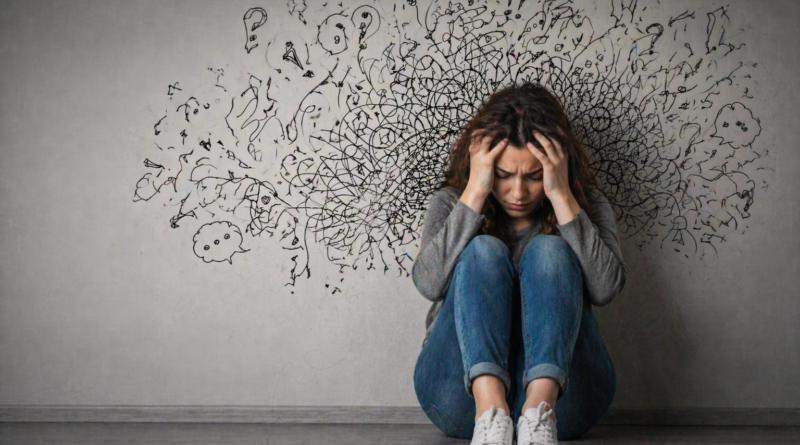
An anxiety disorder is more serious than occasional stress or nervousness. It involves persistent fear and worry that interfere with normal life.
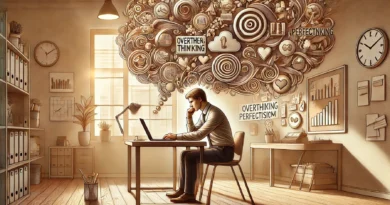
An anxiety disorder can affect a person’s physical health, work performance, sleep, and relationships. It can create constant mental pressure that feels impossible to escape.
Common symptoms of an anxiety disorder include:
- Constant worry
- Restlessness
- Rapid heartbeat
- Trouble sleeping
- Sweating
- Panic attacks
- Fear of social situations
- Difficulty concentrating
- Avoidance of stressful places or people
When understanding is anxiety a mood disorder, it becomes clear that anxiety disorders focus on fear-based responses, while mood disorders focus on emotional disturbances.
For more professional information about depression and emotional health, readers can explore the provided by the World Health Organization.
Types of Anxiety Disorders
There are several important types of anxiety disorders, and each one affects people differently.
1. Generalized Anxiety Disorder (GAD)
This is one of the most common types of anxiety disorders. People with GAD experience excessive worry about everyday life such as work, money, health, and family responsibilities.
2. Panic Disorder
Panic disorder causes sudden panic attacks with symptoms like chest pain, shortness of breath, dizziness, shaking, and intense fear.
3. Social Anxiety Disorder
This type involves a strong fear of social situations, public speaking, meeting new people, or being judged by others.
4. Specific Phobias
Specific phobias are intense fears of certain objects or situations such as flying, heights, spiders, darkness, or hospitals.
5. Separation Anxiety Disorder
This can affect both children and adults and involves intense fear of being separated from loved ones.
6. Obsessive-Compulsive Disorder (OCD)
Although now classified separately, OCD is often discussed among the types of anxiety disorders because it includes obsessive thoughts and compulsive actions driven by fear.
7. Post-Traumatic Stress Disorder (PTSD)
PTSD may develop after trauma and includes fear, flashbacks, nightmares, and emotional distress.
Understanding the types of anxiety disorders helps people identify symptoms early and seek support before the condition becomes worse.
What Causes Anxiety Disorders?
A common and important question is what causes anxiety disorders.
There is no single answer because anxiety usually develops from multiple causes working together.
Genetics
Family history plays a strong role. If parents or close relatives have anxiety, depression, or other mental health conditions, the risk increases.
Brain Chemistry
Changes in brain chemicals like serotonin, dopamine, and stress hormone can affect emotional regulation and trigger anxiety symptoms.
Trauma and Childhood Experiences
Abuse, neglect, emotional trauma, bullying, accidents, or sudden loss can increase the chances of developing anxiety later in life.
Long-Term Stress
Work pressure, relationship problems, financial struggles, and family responsibilities can all contribute.
Medical Conditions
Heart problems, diabetes, thyroid disorders, chronic illness, and hormonal imbalances may worsen anxiety symptoms.
Substance Use
Excess caffeine, alcohol, drugs, and withdrawal from certain substances can also trigger anxiety.
When discussing what causes anxiety disorders, it is important to understand that anxiety is often caused by a mix of emotional, biological, and environmental factors.
Natural Remedies for Anxiety
Along with therapy and medication, many people also look for natural remedies to manage anxiety symptoms. Natural remedies can help reduce stress and improve emotional balance when used consistently.
Regular Exercise
Physical activity helps release endorphins, which improve mood and reduce stress. Walking, yoga, swimming, and stretching are excellent natural remedies for anxiety.
Healthy Sleep Routine
Poor sleep can increase anxiety symptoms. Going to bed on time, reducing screen time, and maintaining a calm bedtime routine can improve mental health.
Meditation and Deep Breathing
Mindfulness meditation and breathing exercises help calm the nervous system and reduce panic symptoms. Even ten minutes daily can make a difference.
Herbal Tea
Chamomile tea, green tea, and lavender tea are often used as natural remedies for relaxation and stress reduction.
Balanced Diet
Eating nutritious foods like fruits, vegetables, nuts, and whole grains supports brain health and emotional stability.
Reducing Caffeine
Too much coffee or energy drinks can increase anxiety symptoms like restlessness and rapid heartbeat.
Social Connection
Talking with trusted friends, family members, or support groups can reduce emotional pressure and improve coping skills.
Natural remedies may not replace professional treatment for severe anxiety, but they can support long-term healing.
Final Thoughts
So, is anxiety a mood disorder? The clear medical answer is no. Anxiety belongs to a separate category called anxiety disorders, while depression and bipolar disorder belong to mood disorders.
Still, both conditions are deeply connected and often exist together. Knowing what is anxiety, understanding an anxiety disorder, learning the types of anxiety disorders, recognizing what causes anxiety disorders, and using natural remedies can help people find the right treatment and support.
Mental health should never be ignored. Whether someone is facing anxiety, depression, or other mood disorders, early help can make a huge difference.
The most important message is simple: anxiety is treatable, recovery is possible, and no one has to struggle alone.