Overthinking vs. Anxiety: How to know Which One You Have
Overthinking vs. Anxiety: How to know Which One You Have
We all get block in our heads sometimes. Maybe you replay one small mistake from three days ago, or maybe your heartbeat fast for no reason when the room is completely quiet. You know something feels off, but is it overthinking, or is it anxiety?
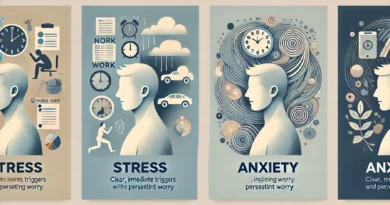
Most people use the same word, but the truth is that Overthinking vs Anxiety are two different things. The difference might be subtle, but it finds what kind of help actually works for you.
Today, I want to write this down in a simple, clear, and real way, with a personal story, mental insights, and practical tools. When you are losing sleep every night or replaying imagined events in your head, this guide will help you understand what your mind is trying to tell you.
Signs You’re Overthinking
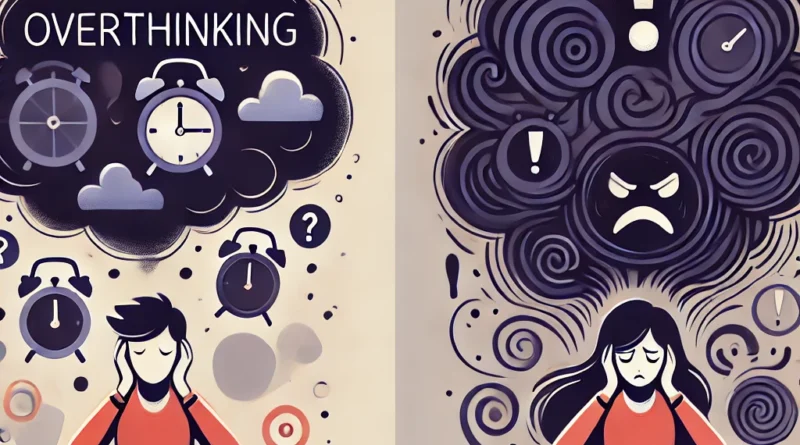
Overthinking vs Anxiety is a mental loop. You live in the “what if” world. You think too much, reflect, and replay.
Common signs of overthinking include:
- Going over conversations or imagining different outcomes
- Stress about things that already happen
- Feeling mentally tired but physically fine
- Difficulty making decisions
- Thinking about a small problem until it becomes a huge one
- Assume people’s words, tone, or facial expressions
- Overplanning for situations that are not even real
Overthinking feels like your brain is too noisy, but your body stays still.
Why you overthink
A lot of overthinking comes from:
- Fear of making mistakes
- Low self-love
- High standard
- Childhood trauma
- COnflict anxiety
- Fear of rejection
- People-pleasing habit
If you grew up in an environment where you had to be very aware or careful, overthinking might be your brain’s way of trying to feel safe.
Knowing the Main Difference
At the heart of it, Overthinking vs Anxiety can be divided by this:
- Overthinking is mental.
It’s your thoughts running in circles, imagining everything to death. - Anxiety is mental and physical.
Your body reacts fast heart or chest pain, sweating, shaking, or a sudden rush of fear
You are overthink without anxiety, and you can have anxiety without overthinking. But when both happen together? That’s when your brain starts to feel like a painful place you cannot escape Overthinking vs Anxiety
How You know It’s Anxiety
Anxiety goes deeper than thoughts; it affects your whole nervous system because of Overthinking vs Anxiety
Common side effects of anxiety include:
- Fast heartbeat
- Tight Chest
- Problem breathing
- Muscle problem
- Shaking
- Feeling nervous
- Stomach pain
- Trouble sleeping
- Sudden fear or a bad feeling
- Irritability
Anxiety’s biggest difference is physical symptoms.
Why anxiety happens
Anxiety stems from:
- Chronic stress
- Family history
- Trauma or Painful childhood experience
- Hormonal imbalance
- Sleep problem
- Medication side effects
- Low patience for caffeine
- Under mental health conditions
Anxiety is not “just thinking too much.”
Their nervous system is taking to far even when the situation is calm Overthinking vs Anxiety
A Personal Moment: When I was Finally Realized It’s More Than Just Overthinking
I used to believe I was just overthinking. I kept replay every conversation, picturing the worst possible, and imagining events that never happened in real life. Everything changed that day. I knew it was anxiety; my hands start shaking the middle of food market
It was not overthinking. I was not imagining events or stressed about anything. My body simply answered and owned; my heart sped up, panic washed over me, and suddenly I could not breathe because of Overthinking vs Anixety
That was Anxiety
Not Overthinking
It took me months to figure out that my brain and my body were not on the same stage. Maybe you feel that way too; I’m not sure which struggle you are actually facing. Let make it easy to understand
How Medication Helps to Overcome with Anxiety
When overthinking stays in your mind, mental tips can help
When anxiety impacts your nervous system, medication plays an important role.
Ambien
Ambien is not anxiety medication, but people with anxiety use it because nights can trigger the worst when overthinking and panic are high. It helps your body to stay calm and when anxiety won’t allow to take rest
Xanax
Xanax is mainly prescribed for short-term management of anxiety and panic attacks. It works fast to calm the body within minutes, but it always has side effects, so use it carefully and under medical guidance.
Just remember
Ambien or Xanax are not magic
They are tools for short-term and should always taken under medical rules
How Overthinking Change Into Anxiety
If overthinking runs unchecked, it can overwhelm your nervous system and bring on anxiety side effects. That’s why so many people feel the same both times.
Here’s How the Cycle Works
- You Overthink the Scenario
- You imagine the worst that make take
- Your body responds with anxiety
- You panic over the physical side effects
- You start the overthinking of symptoms yourself
- The cycle reapts
Before you know it, you are not just overthinking; your body is reacting too. That’s why it helps to understand the Overthinking vs. Anxiety from the start.
How to Control Anxiety
Maintain your nervous system.
- Take deep breathe
- Slow exhale practice
- Grounding exercises
- Use Cold exposure
- Flexing
Drink less caffeine
Coffee might be sparking your panic without you even notice
Improve your sleep routine
Ambien should be a last resort; try habit changes first:
- Warm lights
- Hot shower
- No screens before bed
Seek therapy
CBT and trauma-informed treatment work wonders for anxiety.
Medication (Xanax, SSRIs, etc.)
Xanax helps short-term, while SSRIs help long-term.
Medication is not weakness; it’s support
How to Control Overthinking
Use Mental Control Tips
Cut off the thought with a physical cue:
- Click fingers
- Breathe deep
- Change your environment
Give the 5-minute rule
If it won’t matter in five years, do not spend more than five minutes worrying about it.
Write your tense down
Putting thoughts on paper tricks your brain into letting go.
Reduce information overload
Scrolling social media fuels overthinking more than you realize.
Heal your inner perfectionist
Most overthinkers fear being wrong, judged, or misunderstood.
Conclusion: Healing Happens Step by Step
Your thoughts and your body are giving you warning.
Overthinking tells you there’s unhealed emotional work.
Anxiety tells you your nervous system has been on warn for too long.
Learning the difference between Overthinking vs Anxiety helps you choose the right way therapy, habit change, emotional healing, or sometimes medications like Xanax or Ambien.
Most importantly, hearing to yourself instead of fighting yourself is where the real healing starts.
And the more you understand Overthinking vs Anxiety the more control you all recall over your mind, your body, and your rest.