Anxiety in Extrovert vs. Introverts
Anxiety in Extrovert vs. Introverts
If you have ever asked yourself why some people shut down when nervous when others become restless and talkative, you are already watching signs of something deeper: personality-focused anxiety patterns. The core of understanding Anxiety in Introverts vs. Extroverts lies in manage that anxiety does not look the same for everyone. Two people can experience the same condition but display different behaviors because their natures interact with anxiety different
Some introverts quietly go away into their thoughts when overstressed. Extroverts may rush to fade people or distractions, trying to outrun their inner discomfort. No response is wrong; they are just different manifestations of the same emotional struggle.
How Mindset Changes Anxiety Expression
Personality influences how your brain regulates triggers. Introverts and extroverts have opposite feelings about external and internal signals, which affect how they process stress.
Introverts:
- Their nervous systems are more overly reactive.
- They process information deeply and inside.
- Their anxiety is silent but intense.
Extroverts:
- They require more stress to stay balanced.
- They process emotions outside through action or socializing.
- Their anxiety is commonly felt outwardly.
This nerve-related difference is why Anxiety in Introverts vs. Extroverts feels like comparing two different emotional languages.
Understanding Extrovert Anxiety
Extroverts commonly surprise people with their anxiety. They are energetic, expressive, and socially active markers people wrongly interpret as emotional stability.
Silence bring out their anxiety
When introverts are overstressed by too much noise, extroverts are overworked by the lack of it. Silence forces them into their thoughts, which they usually prefer to avoid when stressed.
They need connection to feel grounded
When they feel restless, many extroverts naturally reach out for:
- Conversation
- Support
- Escape
- Activity
- Movement
Their anxiety comes with tiredness and an urge to do something.
They show their stress outwardly
Talking too fast, pacing, to many message snap decisions can all be signs of anxiety for extroverts.
People understand their symptoms
Because they “look energetic,” their anxiety is key mistaken for energy or hyperactivity.
This makes Anxiety in Introverts vs. Extroverts a conversation about emotional awareness as much as emotional experience.
Understanding Introvert Anxiety
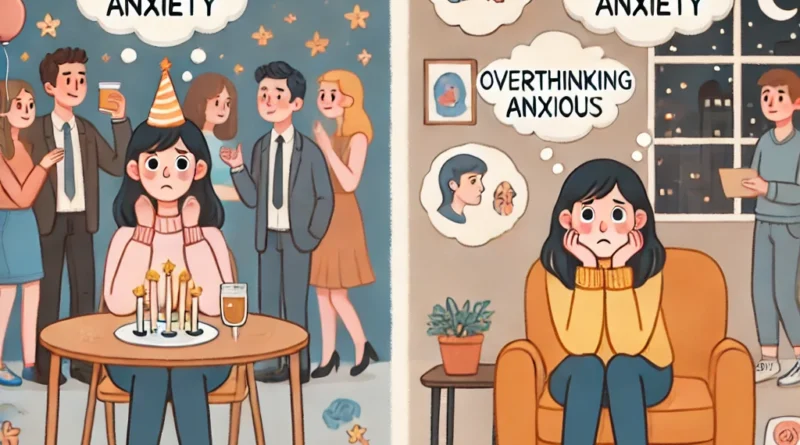
Introverts are mainly misunderstood when it comes to anxiety. Because they are quiet, people think they are fine. But inside, anxiety for introverts can feel like a restless mental engine they can’t turn off.
Overthinking is their biggest spark
Introverts do not just think; they imagine, replay, and mentally study every moment. Anxiety increases this until their thoughts feel like a web they can not escape.
Social situations tire them faster
Even positive social interactions can overstress an introvert’s nervous system. They might enjoy being around people but still feel tense afterward.
They hold stress inside
Instead of expressing discomfort, they suppress it. This control may show up as
- Chest tension
- Mental health problem
- Irritability
- Burnout
Their anxiety looks unseen to others
Because introverts do not create external disorder, people assume they are “calm” or “fine.” This invisibility means their anxiety many times goes unnoticed.
For many introverts, anxiety is not loud—it’s heavy.
Why People Misunderstand Both Types
We live in a world that regularly reduces complex personality. Introverts get labeled as shy or asocial. Extroverts get labeled as attention seekers. Nor is the convention true—and both hide the real struggles beneath.
Introverts are misread because:
- They do not clear show panic
- They ignore large groups
- They withdraw when stressed
- They appear silent even when anxious
Extroverts are misread because:
- They use laughter or chatter as coping
- They hide distress behind big energy
- They seek boost during stress
- They look “fine” even when overwhelmed
The truth? Both personality types face. They just express anxiety differently.
And this is why talks around Anxiety in Introverts vs. Extroverts matter so much. Society only sees the surface, not the experience
Daily for Anxiety, Day-to-Day for Each Personality
Anxiety shapes daily life in greatly different ways depending on personality.
Everyday Triggers For Introverts
- Crowded places (malls, parties, events)
- constant noise
- Team projects
- Sudden calls or meetings
- Feeling observed or judge
- Too much boost without breaks
Introverts’ key experience is “shutdown mode,” where they emotionally and mentally step back to protect themselves.
Everyday Triggers For Extroverts
- Too much alone time
- Lack of response from others
- Silence
- Emotional distance
- Situations where they cannot break out activity
- Not start able to talk things out
Extroverts often experience “overflow mode,” where they become overly active or show off to avoid internal discomfort.
Personal Touch: Real-Life Examples
The Introvert
A friend of mine let’s call her Mira was bright, kind, and thoughtful. She excelled in scholar term, yet group displays made her feel like she could not breathe. She stayed quiet during meetings not because she lacked ideas but because her anxiety overload Do not say something stupid.”
Her silence was not comfort; it was existence
The Extrovert
Another friend, Sam, seemed easily social. He was the fun one in every room, always smiling. But on nights when he had nothing to keep himself busy, he did loop thoughts. “I think talking is how I stay sane,” he once admitted. He did not fear people; he feared his own thoughts catching up.
Two different personalities. Same underlying struggle.
Coping Method: How Each Personality Self-Soothe
Both types naturally prefer certain coping styles:
How Introvert Cope
- Writing
- Meditation
- AirBubs music
- Quiet place
- Deep rest
- Alone hobbies
- Avoiding overwhelm
These help, but excessive isolation can make anxiety worse by intensifying thought loops.
How Extroverts Cope
- Sharing thoughts
- Exercising
- Spend times with others
- Seeking Noise
- listening to upbeat music
- Going outside
- Staying busy
These help, but really only external inspiration can create dependency, making anxiety return stronger during quiet moments.
Balanced Coping Is Key
The most effective anxiety management blends both internal and external strategies. That’s why understanding Anxiety in Introverts vs. Extroverts is so powerful—it helps tailor coping strategies to what works for each.
How Childhood Create Personality-Based Anxiety
Childhood plays a major role in how anxiety develops later in life.
Introverts with stressful childhoods regularly become:
- Very-aware of others’ opinions
- Sensitive to fight
- Afraid of embarrassment
- Overstressed by attention
Extroverts with anxious childhoods key into:
- Support-seeking
- Overly chatter under stress
- Afraid of leaving
- Restless when alone
Both responses trace back to emotional safety or the lack of it.
Where Ambien & Xanax connect to this topic
Sometimes habit changes and therapy are not enough, specially for people whose anxiety affects their sleep or everyday life.
Xanax
- Fast-acting
- Used for pain, anxiety, or panic attacks
- Helps short-term calm the nervous system
Ambien
- Used for insomnia, specially anxiety-related sleepless
- Helps regular sleep cycles
- Not meant for long-term daily use
Doctors may prescribe these medications when:
- Someone is unable to function normal
- Anxiety breaks sleep
- Panic attacks happen often
- Excessive worry leads to physical drain
Importantly, these medications do not “fix” the root cause of anxiety; they help with side effects. Both introverts and extroverts may benefit when used carefully under a doctor’s care.
Relationships: When Anxiety Interacts witrh Personality
Romantic and family relationships are deeply affected by anxiety, sometimes in different ways depending on personality.
Introverts in relationships:
- Need space to renew
- Get stressed by emotional force
- Need gentle communication
- Avoid conflict
- Feel guilty for needing alone time
Extroverts in relationships:
- Need reassurance
- Want to talk things out immediately
- Express emotions directly
- Fear disconnection
- Struggle when a partner shuts down
Understanding Anxiety in Introverts vs. Extroverts in relationships prevents misunderstandings and emotional distance.
Workplace Anxiety Differences
In professional environments, anxiety interacts with personality in predictable ways.
Introverts at work:
- fear public speaking
- dread group brainstorming
- overthink emails
- avoid spotlight
- excel in deep-focus tasks
Extroverts at work:
- hate long quiet hours
- feel anxious without collaboration
- want active, dynamic roles
- may mask anxiety with over-efficiency
Neither personality type is weaker. They simply thrive in different environments.
Conclusion: Different Personalities, Same Humanity
Introverts retreat inward. Extroverts reach outward. Both are trying to protect themselves from the same invisible threat: anxiety.
When we stop assuming and start understanding, we create space for compassion.
Everyone deserves tools—whether that’s therapy, lifestyle adjustments, emotional support, or medications like Ambien or Xanax, when responsibly prescribed—to help them navigate their emotional world.
Understanding Anxiety in Introverts vs. Extroverts is ultimately about understanding people. And every person deserves to feel seen.